This compilation of works on paper by American appropriation artist Richard Prince (born 1949) belongs to a series titled1-2-3-4. Beginning around 2008, Prince began sequencing found photographic portraits into a simple headcount—one person, two people, three people, four people: 1-2-3-4. This process, applied to musicians, actors, celebrities and anonymous individuals, transforms photographs into performing acts: solo artist, duo, trio, quartet. The numbers 1-2-3-4 act like the count-in to a punk/garage rock song (by The Rascals, The Modern Lovers or The Ramones), an archetypical pop-song time signature. Numbering the images gives the sequence an immediate stamp of action, while the appropriation of jersey numbers makes a sport of it. Prince has repeatedly returned to the 1-2-3-4 device, including his long-deleted Instagram handle, @richardprince1234. In a chapter of his autobiographical memoirsIt’s a Free Concert, Prince recalls attending the 1969 Woodstock Festival: "We could hear Country Joe and the Fish coming in from over the fields...‘And it’s one two three what are we fighting for? / Don’t ask me I don’t give a damn / Next stop is Vietnam / Whoopee we’re all gonna die.’"
$40.00
Richard Prince: 1, 2, 3, 4—
$40.00
More Images
Richard Prince: 1, 2, 3, 4
This compilation of works on paper by American appropriation artist Richard Prince (born 1949) belongs to a series titled1-2-3-4. Beginning around 2008, Prince began sequencing found photographic portraits into a simple headcount—one person, two people, three people, four people: 1-2-3-4. This process, applied to musicians, actors, celebrities and anonymous individuals, transforms photographs into performing acts: solo artist, duo, trio, quartet. The numbers 1-2-3-4 act like the count-in to a punk/garage rock song (by The Rascals, The Modern Lovers or The Ramones), an archetypical pop-song time signature. Numbering the images gives the sequence an immediate stamp of action, while the appropriation of jersey numbers makes a sport of it. Prince has repeatedly returned to the 1-2-3-4 device, including his long-deleted Instagram handle, @richardprince1234. In a chapter of his autobiographical memoirsIt’s a Free Concert, Prince recalls attending the 1969 Woodstock Festival: "We could hear Country Joe and the Fish coming in from over the fields...‘And it’s one two three what are we fighting for? / Don’t ask me I don’t give a damn / Next stop is Vietnam / Whoopee we’re all gonna die.’"
Product Information
Shipping & Returns
Description
This compilation of works on paper by American appropriation artist Richard Prince (born 1949) belongs to a series titled1-2-3-4. Beginning around 2008, Prince began sequencing found photographic portraits into a simple headcount—one person, two people, three people, four people: 1-2-3-4. This process, applied to musicians, actors, celebrities and anonymous individuals, transforms photographs into performing acts: solo artist, duo, trio, quartet. The numbers 1-2-3-4 act like the count-in to a punk/garage rock song (by The Rascals, The Modern Lovers or The Ramones), an archetypical pop-song time signature. Numbering the images gives the sequence an immediate stamp of action, while the appropriation of jersey numbers makes a sport of it. Prince has repeatedly returned to the 1-2-3-4 device, including his long-deleted Instagram handle, @richardprince1234. In a chapter of his autobiographical memoirsIt’s a Free Concert, Prince recalls attending the 1969 Woodstock Festival: "We could hear Country Joe and the Fish coming in from over the fields...‘And it’s one two three what are we fighting for? / Don’t ask me I don’t give a damn / Next stop is Vietnam / Whoopee we’re all gonna die.’"
You may also like
-65%NEW
Jean-Michel Basquiat: Art and Objecthood
$65.00
$22.75
-65%NEW
Cabinet of Curiosities
$150.00
$52.50
NEW
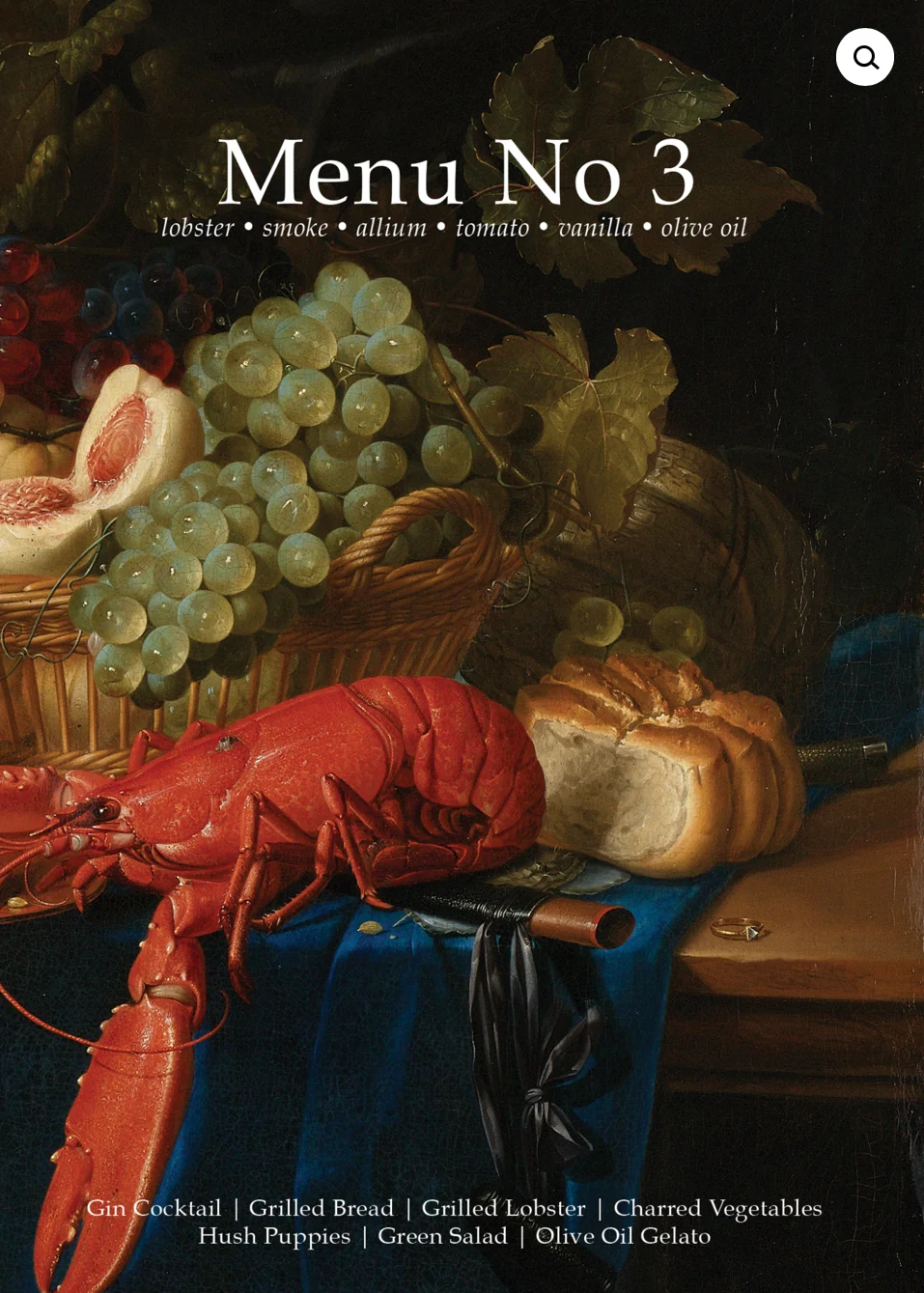
Menu No 3: Lobster, Smoke, Allium, Tomato, Vanilla, Olive Oil
$10.00
-65%NEW
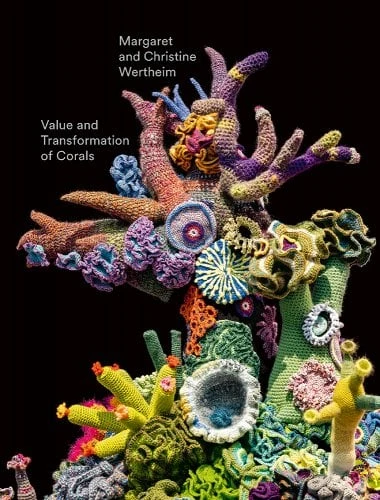
Christine & Margaret Wertheim: Value and Transformation of Corals